3rd National Eye and Tissue Banking Conference
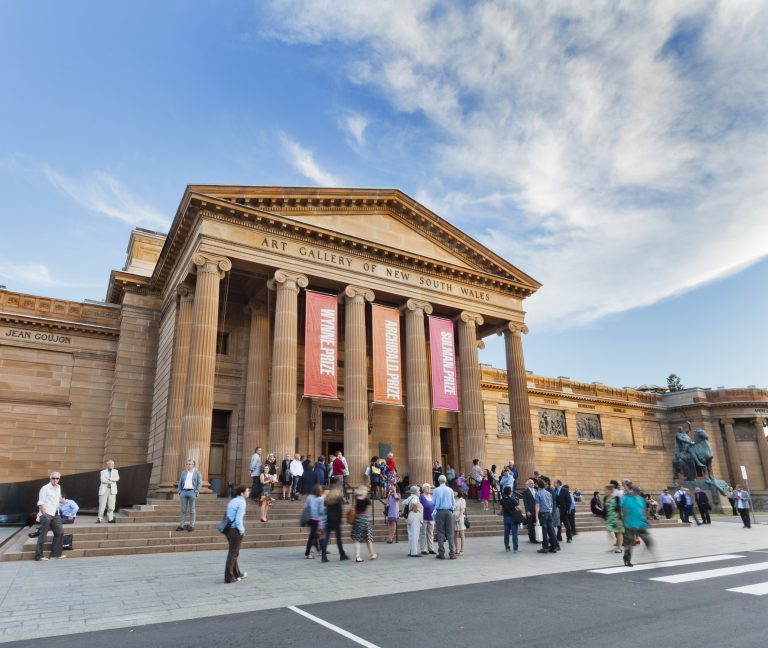
The 3rd National Eye and Tissue Banking Conference will be held on the 3-4 March 2026 at Meers Hall, Art Gallery of NSW.
On behalf of the Biotherapeutics Association of Australasia (BAA) and the Eye Bank Association of Australia and New Zealand (EBAANZ), it is our privilege to welcome you to the 3rd National Eye and Tissue Banking Conference. The two‑day program will feature keynote presentations, research papers and panel discussions, providing plenty of opportunities to learn, exchange ideas and connect with colleagues across the Tissue and Eye Banking community.
CONFERENCE DETAILS
Registration
You can register for the Eye & Tissue Banking conference at the ANZ Corneal Society conference shared website. Start your registration by clicking the registration link button. Registration deadline is February 22nd 2026.
Please note that a $350 ticket for the eye and tissue conference includes the social event. An extra social event ticket is only required for a plus one.
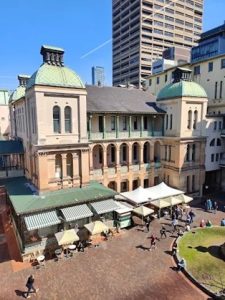
This year’s social event will take place at Porcellino on the evening of March 3rd, set within the picturesque forecourt of one of Australia’s oldest and most historic medical institutions, the Sydney Eye Hospital, which also houses the NSW Tissue Bank. It’s just a short walk from the conference venue at the Art Gallery of NSW.

Call for abstracts is now closed, we are no longer accepting submissions.
Program
The conference program is now available to download.
Guest Speakers
We are delighted to welcome our keynote speakers listed below. More speakers and invited guests will be added as confirmed.
Professor Wei Chen
Vice Chair, Eye Hospital, Wenzhou Medical University
Professor Wei Chen is Vice-Chair and Professor of Ophthalmology in the affiliated eye hospital of Wenzhou Medical University and Director of Eye Clinic in Boao Super Hospital in China. He graduated from Wenzhou Medical University with Medical Degree in 1998 and Shanghai Fudan university with PhD in 2002.
He was trained as postdoctoral research fellow in Schepens Eye Research Institute in Harvard Medical School and Ocular Surface Center in Baylor College of Medicine. He was an author on over internationally 100 peer-reviewed publications such as Nature Communication, NPJ Digital Medicine, Genome Medicine, Ophthalmology, The Ocular Surface, AJO, IOVS, BJO, Cornea etc. He has attracted over US$5,000,000 in grants and awards. He has more than 30 patents at home and abroad. He also served as reviewer for more than 10 international journals including Nature Communication, Ocular Surface, IOVS, BJO, Cornea, Cell reports medicine, etc. He is
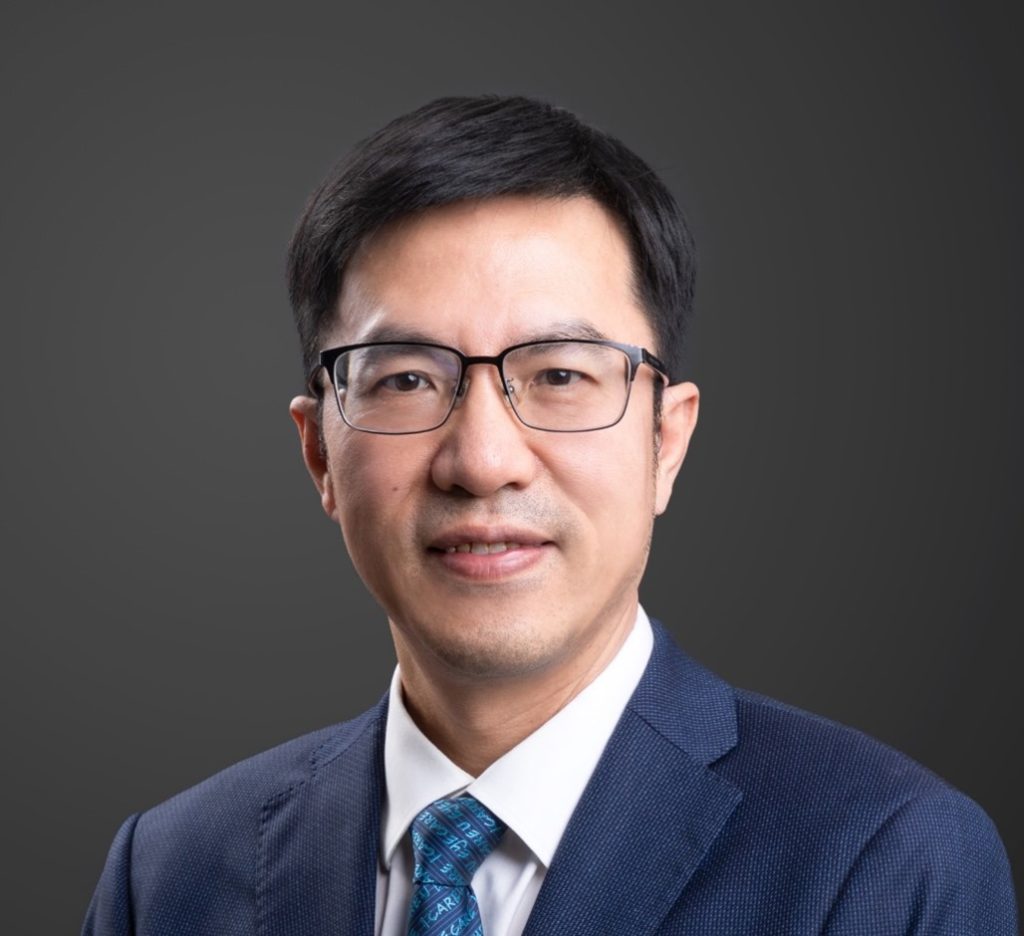
Editorial Board member of APJO, chairman of TFOS China, founding member of Asia Dry Eye Society. He had been invited as speaker in 30 international conferences. He has more than 3000 cases of experiences of DALK, DSAEK/DMEK, PKPs and Boston Keratoprothesis surgeries. His clinical and research interests include molecular mechanism of dry eye, corneal engineering, translational research, corneal transplantation. He established a Boston Keratoprothesis surgery center in Eye Clinic of Boao Super Hospital, the only hospital in China which can legally use any FDA or CE approved devices and medicine to treat patients without approval of China FDA.
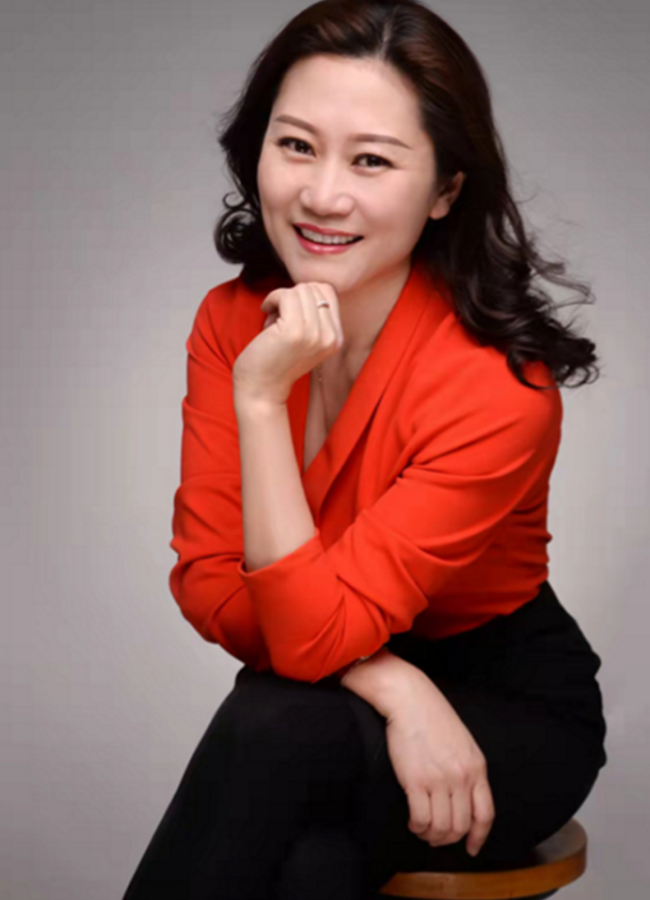
Professor Hong Zhang
Dean of the School of Ophthalmology and Optometry at Harbin Medical University
Professor and doctoral supervisor. Longjiang Scholar Distinguished Professor, Longjiang Craftsman, First Longjiang Famous Doctor, Outstanding Youth of Heilongjiang Province, Leading Talent of Heilongjiang Province Universities, Star Alliance Professor of Harbin Medical University, and People’s Good Doctor. Principal Investigator of University of Melbourne (2010-2015), and honorary professor of Bashkir State Medical University.
Currently serving as the Dean of the School of Ophthalmology and Optometry at Harbin Medical University, the Vice President of the First Affiliated Hospital of Harbin Medical University. More than 20 academic part-time positions, including Vice Chairman of the Youth Committee of the Ophthalmology Branch of the Chinese Medical Association and Member of the Corneal Disease Professional Committee of the Ophthalmology Society of the Chinese Medical Association.
As director of the Eye Bank of Heilongjiang Province, performed tens of thousands of PK\DALK\DSEAK\DMEK and other complicated surgeries. My research interest focused on cornea diseased like corneal infection, dry eye, corneal transplantation and tissue engineering, and drug delivery system. Gained over 40 scientific research projects (including Chinese and Australian national key projects such as
the Grant of National Natural Science Foundation, NHMRC and NHMRC Development grants) and published over 100 domestic and international papers, 15 textbooks . Participate in over 20 clinical guidelines and penner of Consensus on the Diagnosis and Treatment of Dry Eye Associated with Systemic Immune Diseases.
Richard Lomas
Head of Development for the UK’s NHS Blood and Transplant
A scientist with >30 years experience in tissue banking, primarily in research, development and validation. My current role is Head of Development for NHSBT Tissue and Eye Services. NHSBT is a public sector organization that co-ordinates organ donation across the UK, blood donation in England, and the majority of tissue donation, banking and supply across the UK.
I am a state registered Clinical Scientist with the UK Health Care Professions Council (Registration No. CS18590).
I am closely involved with the development of European regulation and guidance for tissue banking as part of the writing group for the European Department for the Quality of Medicines (EDQM) Tissue and Cell Guide, and the development of risk assessment tools (EuroGTP2 and MiRCA) that are integral for the development of tissue banking protocols.
I teach on post-graduate Transfusion and Transplantation courses provided by the Universities of Bristol and
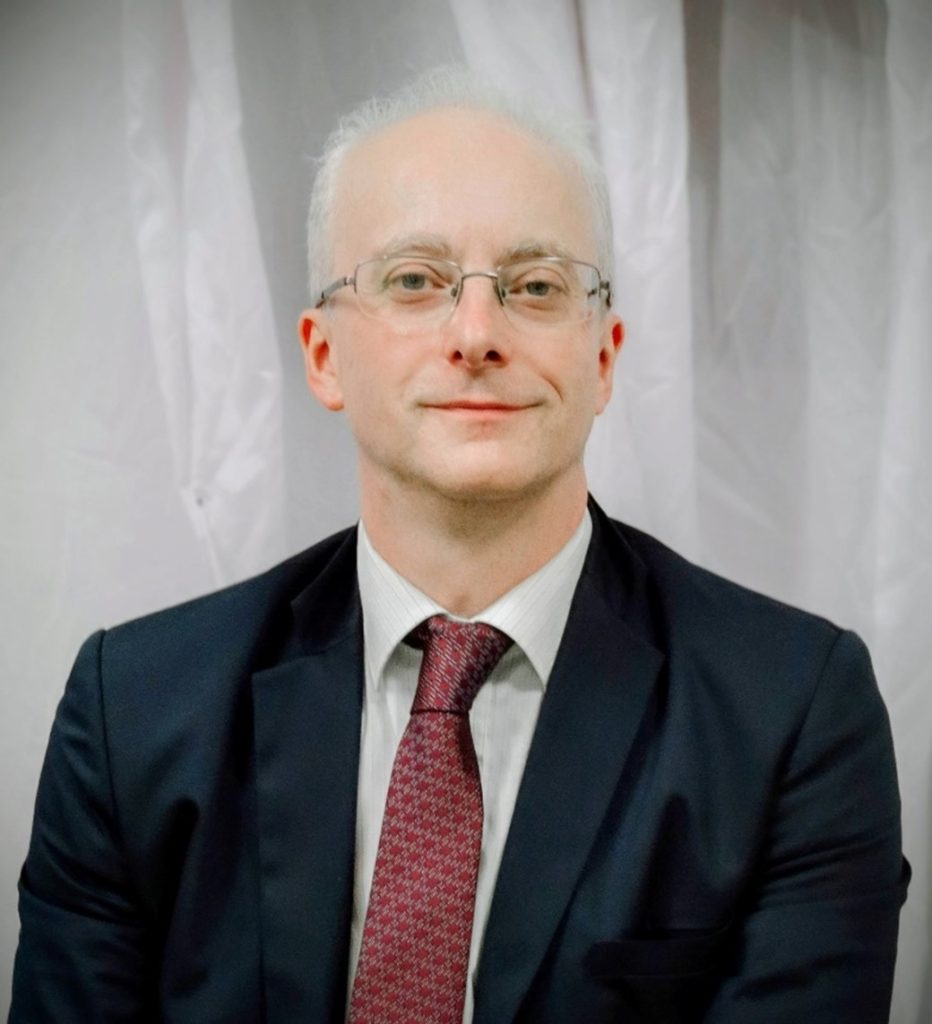
Manchester, and on Quality Management courses delivered by the EDQM, and have previously participated in training programs run by the European Union to assist member countries to develop tissue banking systems. From 2017-2025 I served as General Secretary of the European Association of Tissue and Cell Banks.
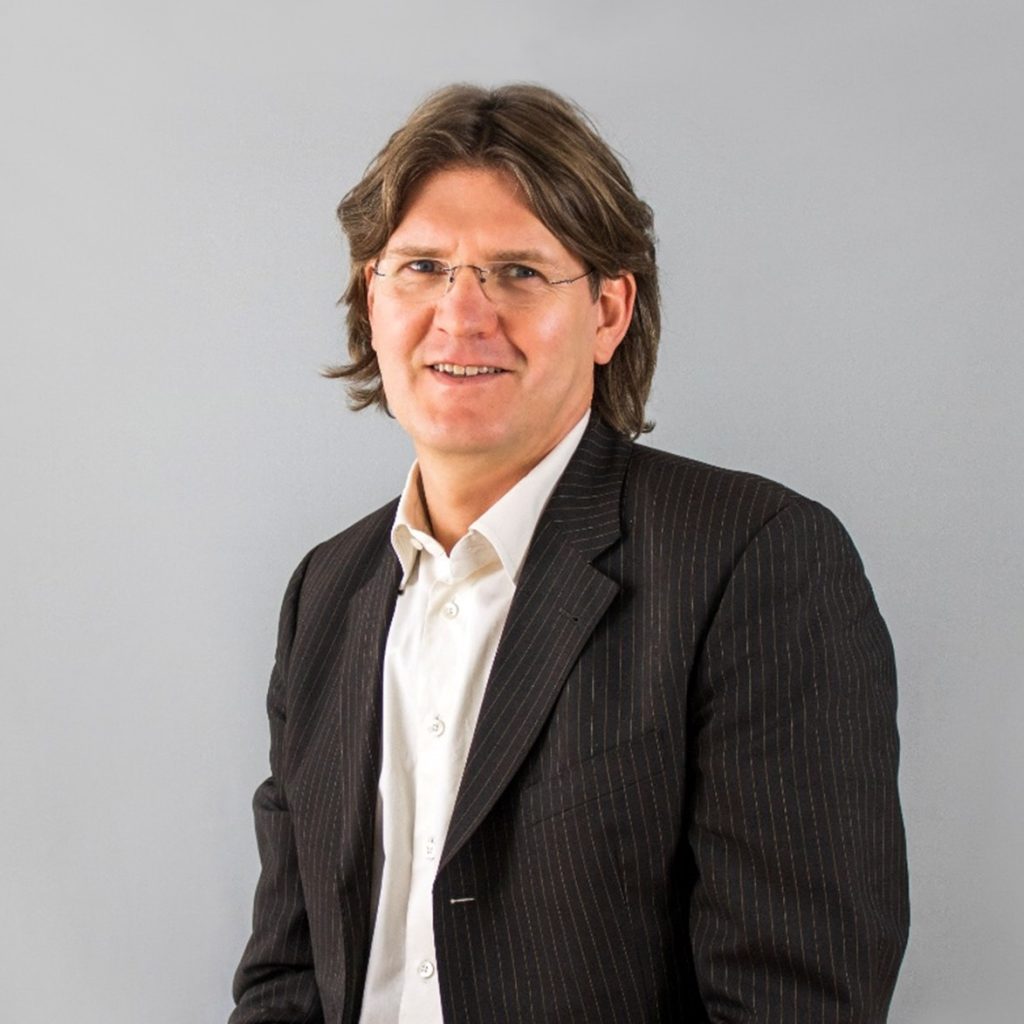
Martin Börgel
Managing Director of the German Society of Tissue Transplantation
Experienced health economist with over 20+ years of experience in managing and consulting entities in SoHo Sector in Germany, Europe and International. Demonstrated expertise and management skills in consulting Hospitals and several other entities in the healthcare sector. Experienced in Process reorganization and optimization, trained as Certified DIN ISO Auditor. Project Manager for establishing the German OPO and Eurotransplant as responsible entities for the German Organ Donation system. Since 2002 CEO of the German Association of Tissue Transplantation (DGFG gGmbH), Network of 14 Tissue Banks in Germany, responsible for 50+% of all German tissue donations. Ceo of Tissue Bank HELIOS Schwerin. Member of Management Board Tissue Bank Treviso (FBTV). President EATCB, general Secretary of WUTBA. Member of DTI Faculty. Highly skilled in systematic structure and process analysis of entities and donation systems, development of organizations and multifunctional groups in national and international health care system in the field of SoHo. Ensuring target and result driven management tools to achieve optimum results for non-profit entities. Today, DGFG is jointly
supported by four university hospitals and one protestant hospital, employs more than 120 staff members, and operates a total of 14 tissue banks. The DGFG is a non-profit network.
Dr. Joanneke Maitz
Burns Surgeon-Scientist
Specialist surgeon in burns, plastic, and reconstruction, and an accomplished researcher in translational burn injury and skin tissue engineering. She leads the Burns & Reconstructive Surgery Research Group at Concord Hospital and is a Senior Clinical Lecturer at the University of Sydney.
Dr Maitz’s research focuses on advancing bioengineered solutions for burns treatment and reconstructive surgery, with emphasis on next-generation skin substitutes and improving outcomes for patients with severe soft-tissue loss. In 2025, the Concord Hospital Burns Unit received the NSW Health Innovation Award in recognition of this landmark research program. The Unit’s pioneering 3D-bioprinted skin project, now in a first-in-human clinical trial, represents a major step forward in personalised regenerative medicine. Initially developed for burns victims, this technology has the potential to transform treatment for a wide range of soft tissue defects, offering new hope for patients who previously had limited reconstructive options.
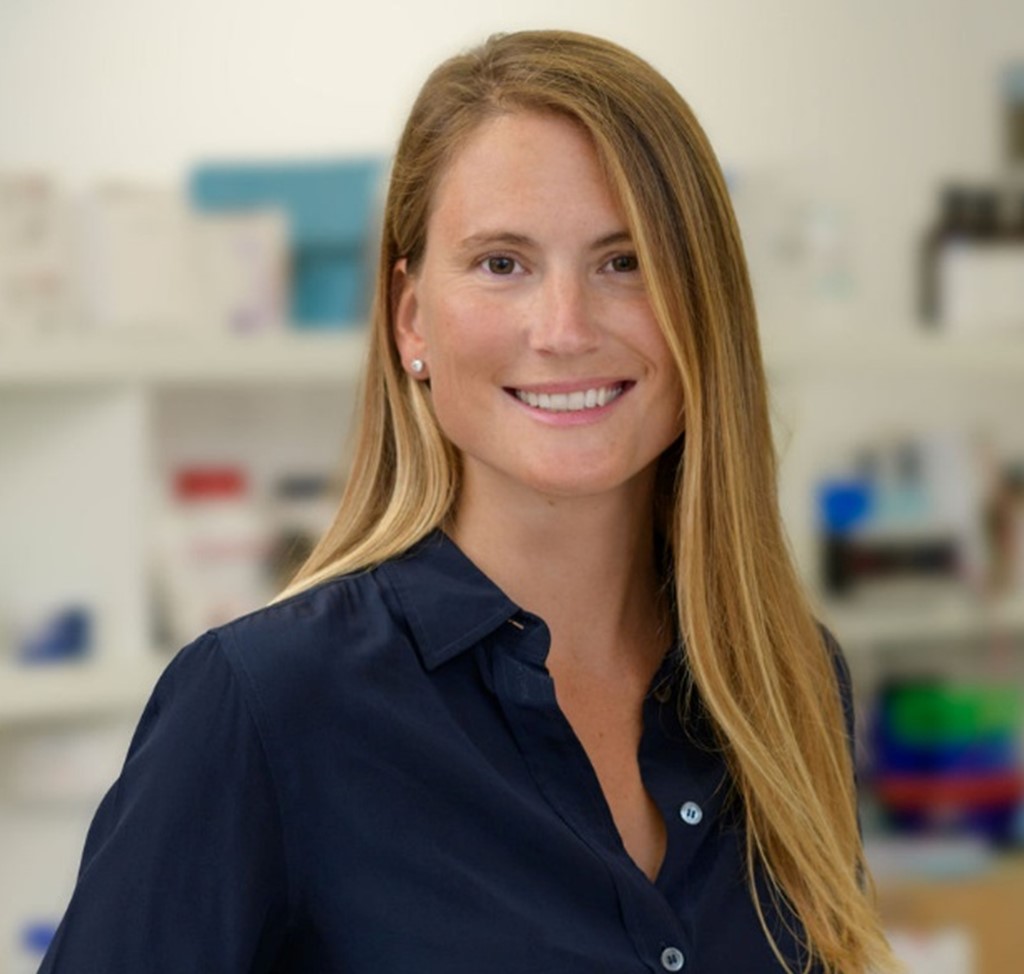

Jonathan Boyd
Jonathan brings more than 16 years of dedicated experience in tissue banking, spanning frontline recovery roles through to senior operational leadership. His career reflects a deep commitment to the ethical, safe, and effective provision of human tissues for transplantation, and a comprehensive understanding of the full donation and processing pathway.
Jonathan has developed extensive expertise across donor assessment, tissue recovery, quality systems, regulatory compliance, and team leadership. His work is grounded in technical precision and a strong focus on best-practice standards, ensuring that donated tissues are handled with the utmost care and integrity. Jonathan earned his undergraduate degree in communications and his Masters of Science degree in management. He is a Certified Tissue Bank Specialist and a certified Lean Six Sigma Black Belt. His well-rounded expertise positions him as a trusted leader and a committed advocate for advancing tissue banking to directly improve patient outcomes.
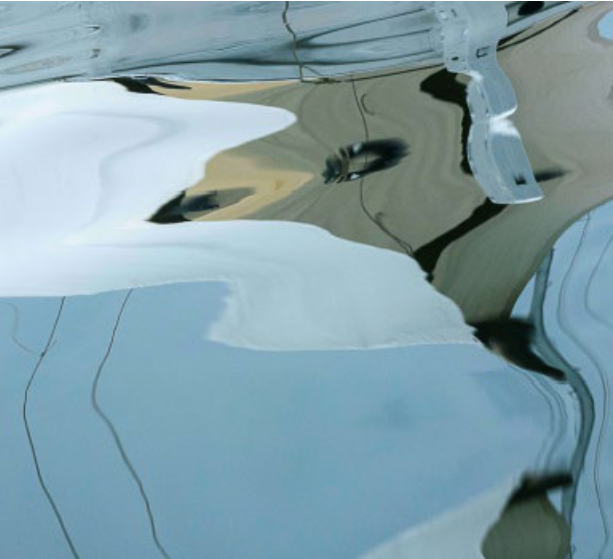
Does this art belong in your home?
The Albatross's View will be on display in the conference room at Meers Hall. It was generously donated by the artist, Ralph Kerle, for silent auction. Wanting to place a bid? Well, put your phones away, there's pens at the bidding box, and remember your GDP. Click the image to learn more about the Ralph and his photography.
PLANNING YOUR TRAVEL
The conference will be held at the Art Gallery of New South Wales. Please see below recommendations for the top 10 hotels in the area surrounding the Art Gallery and the Sydney Eye Hospital.
Distance to Art Gallery: 10-12 min
Distance to Eye Hospital: 12-15 min
Category: 5* | Pricing: Luxury ($350+)
Airport Access: Train to Circular Quay -> 6 min walk; Taxi ~20-25 min
Distance to Art Gallery: 10-12 min
Distance to Eye Hospital: 12-14 min
Category: 5* | Pricing: Luxury ($350+)
Airport Access: Train to Circular Quay -> 5 min walk
Distance to Art Gallery: 14-16 min
Distance to Eye Hospital: 16-18 min
Category: 5* | Pricing: Luxury ($350+)
Airport Access: Train to Wynyard or Martin Place -> 5 min walk
Distance to Art Gallery: 12-14 min
Distance to Eye Hospital: 14-16 min
Category: 5* | Pricing: Luxury ($350+)
Airport Access: Train to Wynyard -> 5 min walk
Distance to Art Gallery: 12-14 min
Distance to Eye Hospital: 14-16 min
Category: Serviced Apt | Pricing: Mid-range ($200-350)
Airport Access: Train to Museum -> 3 min walk
Distance to Art Gallery: 10-12 min
Distance to Eye Hospital: 12-14 min
Category: 5* | Pricing: Luxury ($350+)
Airport Access: Train to Museum -> 3 min walk
Distance to Art Gallery: 12-14 min
Distance to Eye Hospital: 14-16 min
Category: Serviced Apt | Pricing: Mid-range ($200-350)
Airport Access: Train to Museum -> 3 min walk
Distance to Art Gallery: 12-15 min
Distance to Eye Hospital: 15 min
Category: 5* | Pricing: Luxury ($350+)
Airport Access: Train to St James -> 4 min walk; Taxi ~20 min
Distance to Art Gallery: 10-12 min
Distance to Eye Hospital: 12-14 min
Category: 5* | Pricing: Luxury ($350+)
Airport Access: Train to Martin Place -> 5 min walk
Distance to Art Gallery: 15-18 min
Distance to Eye Hospital: 18 min
Category: 4* | Pricing: Budget (<$200)
Airport Access: Train to Museum -> 5 min walk
🚶 Walking Accessibility Between Accommodation & the Art Gallery / Eye Hospital
All listed hotels are located on or near Hyde Park, which connects directly to The Domain via well maintained, accessible paths.
- Art Gallery of NSW ↔ Sydney Eye Hospital:
~3–5 minutes on foot, flat and accessible.
- Hyde Park Hotels ↔ Art Gallery:
10–15 minutes via a pleasant, treelined walk.
✈️ Airport Access Summary
Transport | Typical Time | Notes |
Train | ~25–30 min total | Airport → Museum or St James → short walk |
Taxi/Uber | ~20 min | Most direct, especially with luggage |
Bus | ~40–50 min | Less convenient unless staying near Town Hall |
Hotel | To Gallery | To Hospital | Category | Pricing |
Pullman Quay Grand Sydney Harb | 10-12 min | 12-15 min | 5* | Luxury ($350+) |
Sheraton Grand Sydney Hyde Par | 12-15 min | 15 min | 5* | Luxury ($350+) |
InterContinental Sydney | 10-12 min | 12-14 min | 5* | Luxury ($350+) |
Sofitel Sydney Wentworth | 10-12 min | 12-14 min | 5* | Luxury ($350+) |
Pullman Sydney Hyde Park | 10-12 min | 12-14 min | 5* | Luxury ($350+) |
Oaks Sydney Hyde Park Suites | 12-14 min | 14-16 min | Serviced Apt | Mid-range ($200-350) |
Nesuto Hyde Park Hotel & Apart | 12-14 min | 14-16 min | Serviced Apt | Mid-range ($200-350) |
Radisson Blu Plaza Hotel Sydne | 12-14 min | 14-16 min | 5* | Luxury ($350+) |
The Fullerton Hotel Sydney | 14-16 min | 16-18 min | 5* | Luxury ($350+) |
Travelodge Hotel Sydney | 15-18 min | 18 min | 4* | Budget (<$200) |
SPONSORS